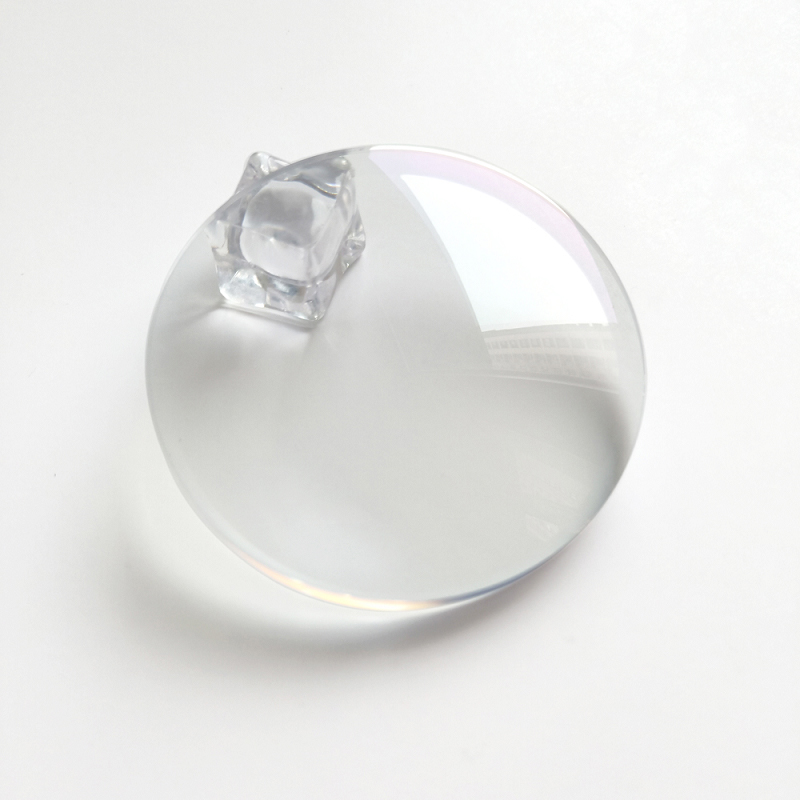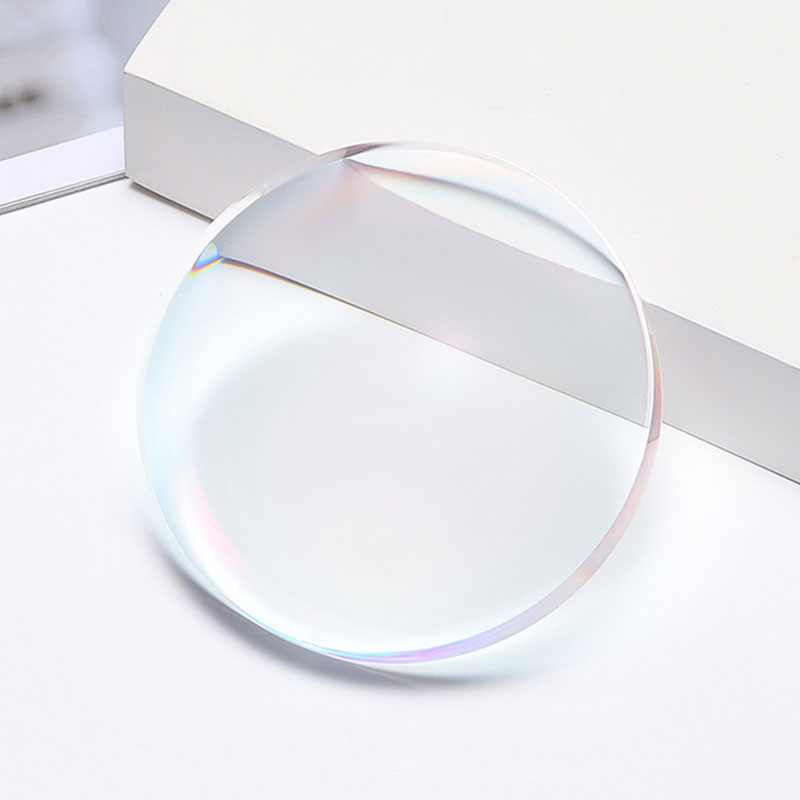



In the eyewear market, photochromic lenses (also known as transition lenses) and traditional optical lenses each have unique features. With the continuous advancement of technology, photochromic lenses have gained popularity for their multi-functionality and convenience. However, traditional lenses still hold a significant market share in certain environments. This article will professionally analyze the advantages and disadvantages of photochromic lenses compared to traditional optical lenses, helping consumers make more informed decisions.
Advantages of Photochromic Lenses
1. Automatic Light Adaptation
One of the most significant advantages of photochromic lenses is their ability to automatically adjust their color in response to changes in light conditions. In bright sunlight, the lenses darken to provide additional UV protection, and in indoor or cloudy environments, the lenses return to a transparent state. This automatic adjustment greatly enhances comfort and reduces the risk of eye strain from intense sunlight. It is especially beneficial for those who frequently switch between different lighting environments, such as outdoor sports enthusiasts and drivers.
2. UV Protection
Photochromic lenses offer effective UV protection, as they darken when exposed to ultraviolet (UV) radiation. This feature helps reduce the risk of eye damage caused by prolonged UV exposure, which can lead to cataracts, retinal damage, and other eye conditions. The UV protection provided by photochromic lenses is a key advantage over traditional lenses, which may not offer this level of protection unless specifically designed with UV-blocking coatings.
3. Enhanced Visual Comfort
Photochromic lenses adjust to varying light conditions, allowing the eyes to remain comfortable in different environments. Intense sunlight can cause eye discomfort, but photochromic lenses effectively reduce glare and eye fatigue by dimming the light. This is especially beneficial for individuals who experience discomfort in bright environments. The adaptability of the lenses ensures that the eyes are constantly protected from excessive brightness without the need for additional eyewear.
4. Versatile Use in Multiple Environments
Photochromic lenses are not only suitable for daily wear but also excel in environments where individuals need to move between indoor and outdoor spaces. They eliminate the need for switching between regular glasses and sunglasses, making them practical for those who are constantly on the move. For example, drivers can wear photochromic lenses to avoid having to change their eyewear when transitioning from bright outdoor conditions to dimly lit interiors.
Disadvantages of Photochromic Lenses
1. Slower Color Change
Although photochromic lenses automatically adjust to light changes, the speed of this color change is generally slower compared to what some users might expect. In high-temperature or rapidly changing light conditions, the transition from clear to dark may take several minutes. This slower response time can be inconvenient for users who require immediate protection from sudden light exposure.
2. Temperature Sensitivity
Photochromic lenses are highly sensitive to temperature, which can impact their performance. In hot environments, the lenses may change color more slowly or may not darken as much. Conversely, in colder temperatures, the lenses may darken more quickly. This means that in regions with high temperatures or extreme cold, the photochromic lenses may not function as efficiently as they would in moderate climates, making them less reliable in certain weather conditions.
3. Limited Effect Indoors
While photochromic lenses work excellently in outdoor environments where UV light is present, they do not exhibit noticeable color change in indoor environments where UV exposure is minimal. As a result, the lenses typically remain clear indoors, providing no additional benefits compared to traditional lenses in such settings. This limits their utility in indoor environments where users might expect them to provide protection or comfort.
4. Higher Cost
Photochromic lenses generally cost more than traditional lenses due to their advanced technology and production processes. This higher price point can be a barrier for consumers who are on a budget. While the additional functionality may justify the higher cost for some users, others may prefer the more affordable traditional lenses, especially if they do not require the photochromic feature.
5. Not Suitable for All Activities
While photochromic lenses work well for everyday use, they may not be suitable for all activities. For instance, in high-intensity sports or extreme outdoor conditions, the performance of photochromic lenses may be less reliable. The slow color-changing process and temperature sensitivity could make them less effective for individuals who need rapid and consistent lens adjustment during dynamic activities.
Advantages of Traditional Optical Lenses
1. Cost-Effective
One of the main advantages of traditional optical lenses is their affordability. Since their manufacturing process is relatively simpler compared to photochromic lenses, they tend to be more cost-effective. Consumers can purchase traditional lenses without the additional costs associated with the advanced technology of photochromic lenses. For budget-conscious users, traditional lenses remain a popular choice.
2. Stable Optical Performance
Traditional optical lenses offer consistent performance without being affected by environmental factors such as light intensity or temperature. Their optical properties remain stable in various lighting conditions, providing users with a predictable and reliable visual experience. This stability is particularly important for those who require precise vision correction, such as individuals with strong prescriptions or those involved in activities where clear, consistent vision is crucial.
3. Variety of Options
Traditional lenses come in a wide range of materials, thicknesses, coatings, and designs. Consumers have the flexibility to choose lenses based on their specific needs, such as anti-glare, anti-scratch, or blue light filtering coatings. This variety allows users to customize their eyewear according to their preferences and requirements.
Disadvantages of Traditional Optical Lenses
1. No Adaptation to Light Changes
Unlike photochromic lenses, traditional lenses do not adjust to changes in light. In bright outdoor conditions, individuals wearing traditional lenses often need to switch to sunglasses for proper eye protection. This inconvenience means that users must carry multiple eyewear options, which can be burdensome, especially for those who are frequently moving between indoor and outdoor spaces.
2. Limited UV Protection
Most traditional optical lenses do not offer UV protection unless they are specifically treated with UV-blocking coatings. Prolonged exposure to UV rays without adequate protection can increase the risk of eye health issues, such as cataracts. For those who spend significant time outdoors, traditional lenses without UV protection may not offer sufficient defense against harmful rays.
3. Added Eyewear Burden
For people who frequently transition between different environments, traditional lenses can increase the eyewear burden. Switching between regular glasses and sunglasses when moving from indoor to outdoor environments can be a hassle. This need for multiple eyewear options can be inconvenient and impractical for many users.